28 November 2026
How to Choose the Right Quad Biking Dubai Experience
Presented by @quadbikingdubaitimes
Picking the right quad biking dubai experience is less about chasing the biggest engine and more about matching the ride to your comfort level, the terrain, and the rules of the route. A sensible choice makes the session smoother from the moment you arrive, whether the plan is a short desert loop or a longer outing that includes dune bashing.
Start by being honest about who will be riding. Quad bike types vary in size, power, and control. A smaller machine is easier for a first timer to handle, especially when the route includes soft sand, gentle slopes, and stops. A more powerful bike can feel exciting on open desert terrain, but it also needs steadier steering and better judgement. If the group includes riders with very different experience levels, look for an option that keeps the pace manageable rather than one built around speed alone.
Match the ride to the terrain
Desert terrain changes quickly. Firm sand can become loose, and a dune that looks gentle from a distance may ask for more balance than expected. Ask what kind of ground the route covers before deciding. Flat stretches suit beginners because they give new riders time to understand throttle control and steering. Routes with steeper dunes suit riders who already know how to shift weight, slow down early, and keep a safe line.
If the outing is part of a desert safari, check how much of the trip is actually spent on the bike. Some plans combine driving with stops, photography, or other activities. That can be a good fit for families or mixed groups, since the riding portion stays focused while the rest of the visit has a slower rhythm. For riders who mainly want time on the quad, a route with fewer stops may feel more satisfying.

Check the safety setup before choosing
Safety details should shape the decision as much as the route. A safety helmet should fit properly, sit level, and stay secure without pressing uncomfortably on the forehead. Protective gear such as gloves and eye protection can make a real difference in sand, where wind and loose grit are common. Riders should also wear closed footwear and clothing that does not flap loose around the bike.
Find out how the ride is managed on the day. A guided tour is usually the better choice for newcomers because the leader sets the pace, points out tricky sections, and helps the group stay together. Watch for plain language about rules, route limits, and what riders should do if they want to slow down. Clear instructions before departure are a good sign, especially when the group contains people who have never ridden on sand.
When comparing options, ATV Ride Dubai can be one name to note while you look at the wider choice available, but the practical decision still rests on fit, safety, and route. Avoid picking a ride purely because it sounds dramatic. A controlled session with clear boundaries often feels better than a rushed one where the pace keeps changing.
Understand speed limits and route rules
Speed limits are not there to spoil the fun. On sand, speed affects stopping distance, steering response, and how much the bike digs into soft ground. A route with wide open spaces may still have limits because other riders, vehicles, or wildlife can be nearby. Ask how limits are explained and enforced, and pay attention to whether riders are expected to keep a set formation.
Watch for route rules that are easy to miss. These may include staying on marked paths, keeping a safe gap between bikes, avoiding sudden turns on dunes, and following the leader at junctions. Riders who understand the rules before they start tend to relax sooner. That matters, because tension in the hands and shoulders can make a quad harder to control.
Choose a pace that suits the group
A mixed group needs a pace that everyone can hold without pressure. Beginners often worry about holding others back, while experienced riders may become bored by a very gentle route. The middle ground is a ride with steady sections and clear pauses, where confidence can build without pushing anyone beyond their limit.
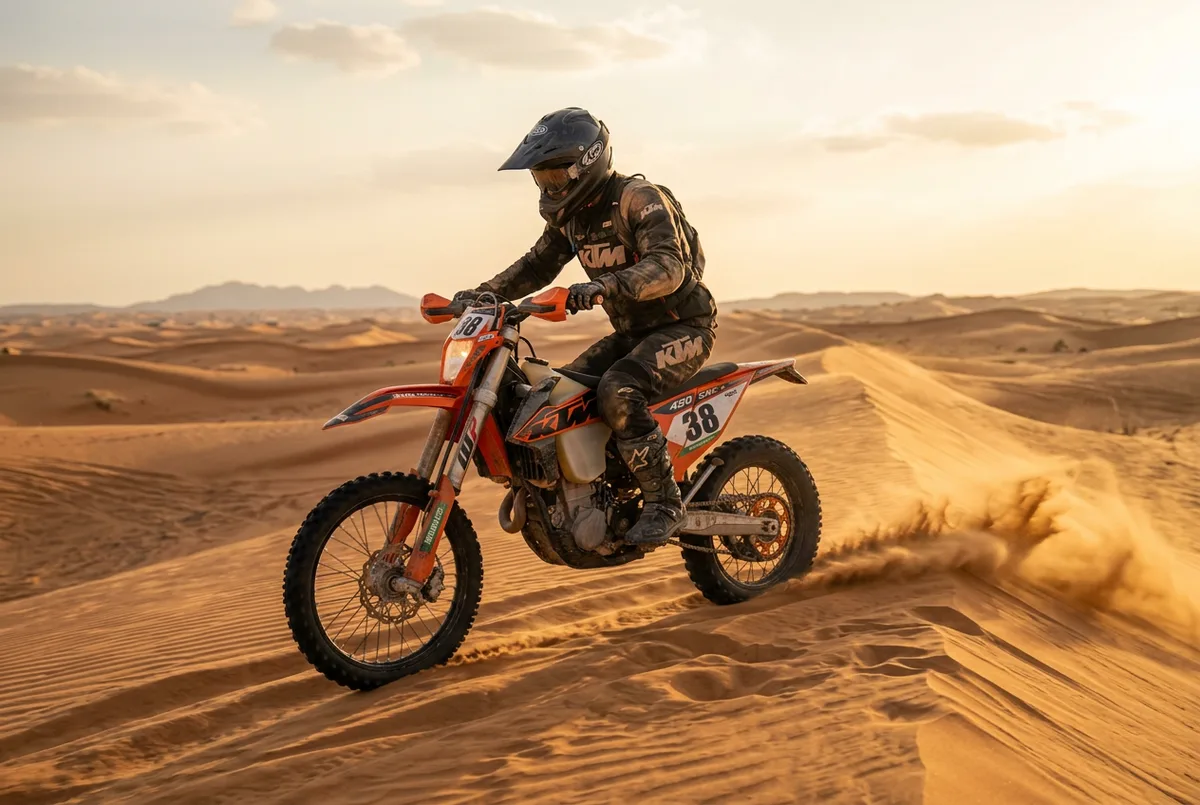
Consider the length of the session too. Longer is not always better. Sand riding asks for concentration, and fatigue can set in faster than expected, particularly in warm weather. A shorter route with good variety can be more enjoyable than a long one that becomes repetitive. Riders should also ask when water breaks are built in and whether there are points to stop and regroup.
Check what is included and what is expected
Before settling on a choice, make a simple comparison of the basics. The details do not need to be complicated, but they should be clear enough to avoid surprises.
- Whether a safety helmet and protective gear are provided, and what riders should bring themselves.
- Whether the route is beginner friendly or better suited to riders with prior quad experience.
- How the guided tour works, including the pace, group size, and stopping points.
- What happens if the weather or desert conditions change on the day.
- Whether the session focuses on riding or forms part of a wider desert safari.
ATV Ride Dubai may come up during that comparison, but the same questions should be asked of any provider. The aim is not to collect promises. It is to understand what the ride actually involves and whether it fits the people taking part.
Look at the small practical details
Booking details are part of choosing well. Check the meeting point, arrival time, and what riders need to bring. Loose scarves, long dangling accessories, and sandals are poor choices for a quad ride. Sunglasses can help with glare, but they need a strap if they are to be worn while riding. Phones and cameras should be secured or left aside during the moving parts of the route.
Also think about clothing and weather. Light, breathable layers work well in warm conditions, while cooler months may call for an extra layer at the start or end of the day. Sand can find its way into shoes and pockets, so simple gear is easier to manage. Riders who are careful about these details often spend less time adjusting things and more time paying attention to the route.
Know the signs that a choice is not right
Some warning signs are easy to spot. If instructions are vague, if the route sounds faster than the group can handle, or if safety gear is treated as an afterthought, pause before committing. A good fit should feel organised without feeling overly strict. Riders should know where they are going, what they can expect from the terrain, and how to ask for help during the session.
Trust your judgement about the rider as well as the ride. A person who is nervous on a bike may need a calmer route, even if they are experienced in other sports. Someone who is confident but impatient may still need a guided tour that keeps speed limits clear. The right choice does not remove every challenge. It keeps the challenge within a range where the rider can stay alert, relaxed, and in control.
The final decision comes down to a few linked questions. Who is riding, what terrain will they cross, how will safety be handled, and what pace will the group hold? Answer those plainly and the rest becomes easier. A well matched quad outing feels less like a gamble and more like a day spent on a route that suits everyone, with enough structure to keep the ride steady and enough space to enjoy the desert.